07860 635025
 Teal@TNAplumbingandheating.co.uk

Tips to Identify & Fix Damp Issues in Your Home
How do I know if I have damp and how could my boiler help fix damp issues?
“What is damp?
“In its simplest form, damp is caused by moisture. Structural dampness is the presence of unwanted moisture in the structure of a building, either the result of intrusion from outside or condensation from within the structure. A high proportion of damp problems in buildings are caused by ambient climate dependent factors of condensation and rain penetration.”
Your Boiler can help by using your heating to reduce condensation and moisture in your property by keeping the house warm. All boilers should be serviced annually to ensure optimum performance and safety. If you would like your boiler servicing why not head over to our servicing page.
4 tell tale signs you have damp in your house
1. Wall marks – Damp can appear on plastered walls as darker patches and in severe cases patches of mould will begin to appear.
2. peeling wallpaper/ bubbled plaster – If your wallpaper is starting to lift away from the wall its possible you have damp.
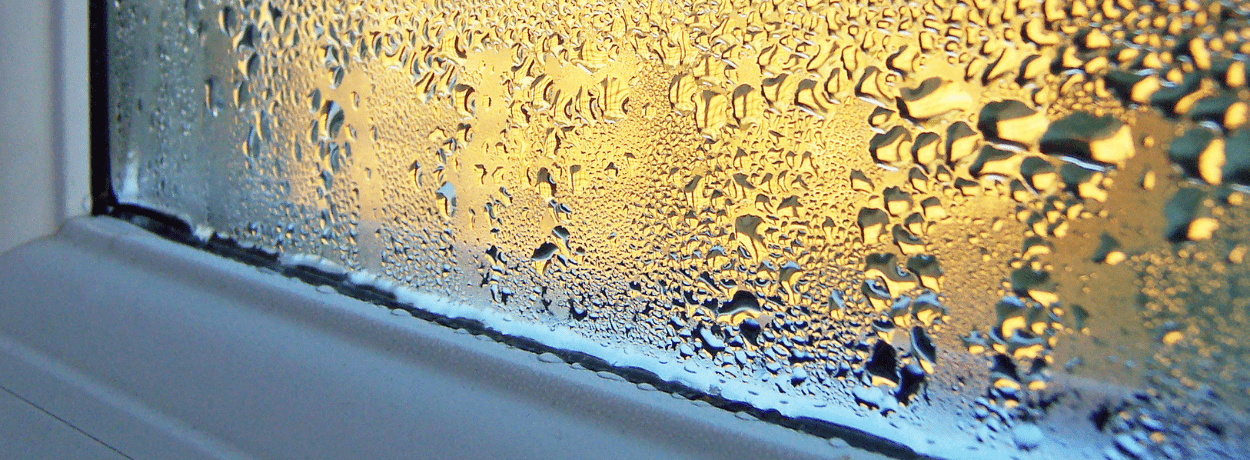
3. Excessive condensation on windows – If you have excessive condensation on your windows its a sign there is too much moisture which could be down to damp.
4. Musty smell – An unavoidable damp and musty smell.

What kind of damp do I have?
Once you suspect you have damp the first thing to do is identify which type you have and the source of the problem. luckily it is usually quite easy to spot this. The main three types of damp are;
Condensation
The most common form of damp is often caused by poor heating and ventilation. It occurs when activities such as cooking raise the level of humidity in a building. This air condenses on cold surfaces, such as windows and walls.
The treatment for condensation is to periodically use your heating and have good ventilation. When showering use extraction fans or if you don’t have one consider having one installed by a qualified electrician
Rising damp
Rising damp is when moisture from the ground penetrates up from the ground through porous bricks usually because the damp proof is either damaged or non existant. It appears on the bottom of walls as white salts, dark patches on plaster, peeling wallpaper or damage to skirting boards and floors.
To get rid of rising damp you will need a new damp-proof course installing into your walls. This can either be done with chemicals or with a physical barrier by a damp proof specialist.
Penetrating damp
This is when water enters a building from outside and moves through the walls, often creating stains or mould growth at some distance from the leak. Causes are defects in guttering and pipes, faulty flashings, poor pointing and cracked rendering.
Home remedies to fix damp issues:
Damp proof paint
Damp proof paint can be used either as a preservative measure or to treat damp.
Wipe down windows and sills every morning
If you’re removing mould caused by condensation, the NHS recommends that you wipe it away with a cloth dipped in hot soapy water then when you’re done use a dry cloth to remove any moisture and throw both cloths away. This is due to mould spores being dangerous.
Deal with steam in the kitchen
Improving your heating and ventilation systems will go a long way to solving condensation issues. Installing an extractor fan to reduce moisture while cooking is the best way to reduce condensation in the kitchen.
Get rid of bathroom moisture
Bathing and showering can be a big cause of condensation. Having an extractor fan installed can reduce condensation exponentially. If its not possible, then having the bathroom door shut and the window open is a good alternative.
Ventilation
Ventilating your home can be as easy as opening a window once a day. If you have condensation issues in a particular room you may want to consider fitting an air brick or vent. Extractor fans are quite common in kitchens and bathrooms.
Keep your house warm
To keep the damp at bay during the colder months, try to keep your home at a steady warm temperature. Damp happens when warm air hits cold walls, so by keeping your house warm the surfaces don’t get cold enough to create condensation. Try setting timers for your heating to turn on at intervals throughout the day.
Insulation
Cavity wall, loft and other specialist insulation can combat damp though in rare cases it can also cause it. You should also consider replacing draughty old doors and windows with double or triple glazing. In winter cold water pipes often cause condensation, insulating them the best you can will reduce this.
Buy a dehumidifier
Buying a dehumidifier can be used to treat infected rooms. It works by removing the moisture from the air.
When theres damp involved you should always consider consulting a specialist due to the serious health risks and damage it could cause to you and your property.