07860 635025
 Teal@TNAplumbingandheating.co.uk

Heat Pump Coefficient of Performance (COP) Explained
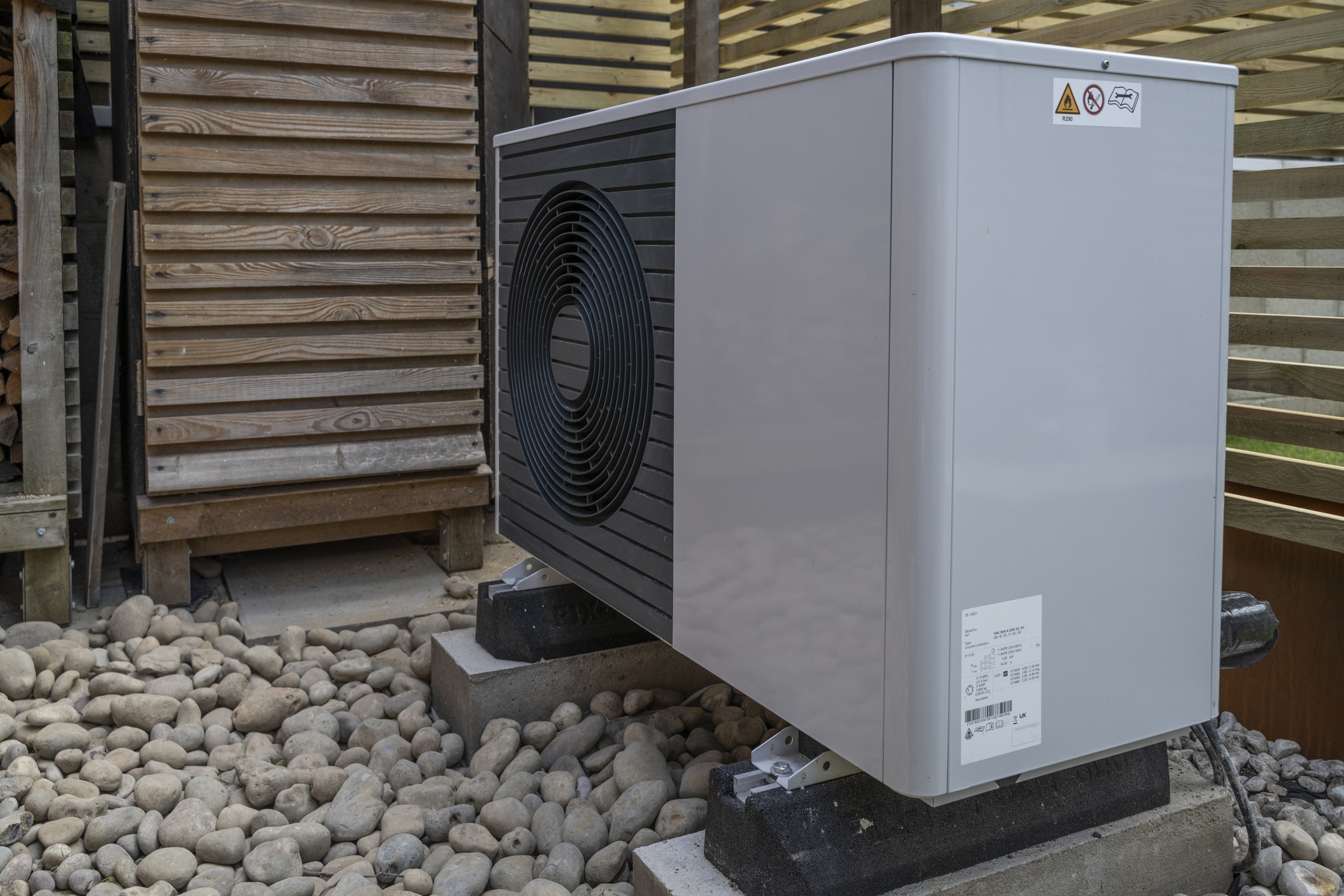
When researching air source heat pumps, one term that often appears is the Coefficient of Performance, commonly shortened to COP. This figure is used to describe how efficiently a heat pump converts electricity into usable heat for your home. Understanding COP can help homeowners make more informed decisions about system performance and running costs.
What COP Means in Practice
COP is a ratio rather than a percentage. It compares the amount of heat energy produced by the heat pump to the amount of electrical energy it consumes. For example, a COP of 4 means the system produces four units of heat for every one unit of electricity used. This is possible because heat pumps move heat rather than generate it through combustion.
It is important to note that COP is measured under specific test conditions, usually at a fixed outdoor temperature and flow temperature. Because real-world conditions change throughout the year, COP represents performance at a single point in time rather than everyday operation.
What Affects COP in Real Homes
Several factors influence COP in a domestic setting. Outdoor temperature plays a role, as colder air contains less available heat. Flow temperature is also critical; heat pumps perform more efficiently when supplying lower-temperature heating systems such as underfloor heating or correctly sized radiators. Good insulation and accurate system design help maintain steady performance and reduce demand on the heat pump.
While COP is useful for comparison, installers also look at Seasonal Coefficient of Performance (SCOP), which reflects efficiency over an entire year. Together, these values provide a clearer picture of how a heat pump is likely to perform in a typical UK home.
Contact us to discuss your heat pump needs!