07860 635025
 Teal@TNAplumbingandheating.co.uk

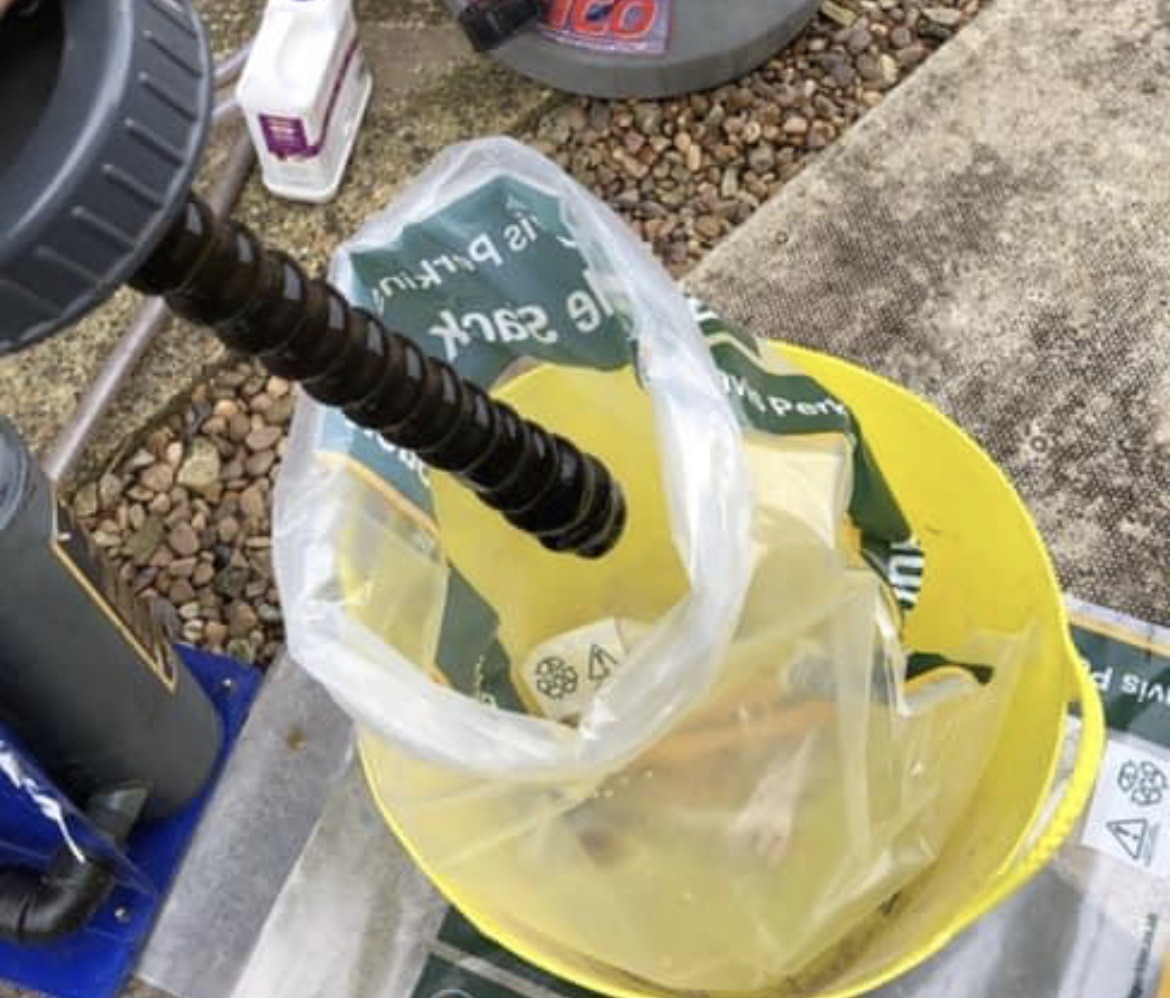
How Powerflushing Improves Radiator Efficiency
Over time, central heating systems can accumulate sludge, rust, and other debris that circulate through the pipework and radiators. This build-up can restrict water flow, reduce heat output, and place additional strain on the boiler. Powerflushing is a cleaning process designed to remove these deposits and restore the efficiency of the heating system.
Removing Sludge and Blockages
As corrosion occurs inside a heating system, particles can settle at the bottom of radiators and in low-flow areas of the pipework. This often results in cold spots, particularly near the bottom of radiators, while the top remains warm. A powerflush uses specialised equipment to circulate water at high velocity through the system, helping to dislodge and remove accumulated debris. By clearing these blockages, hot water can move more freely throughout the system.
Improving Heat Distribution
When radiators are partially blocked by sludge, they cannot transfer heat as effectively. Rooms may take longer to warm up, and some radiators may not heat evenly. After powerflushing, improved water circulation allows radiators to distribute heat more consistently. This can help the heating system reach the desired temperature more efficiently and improve comfort throughout the property.
Supporting System Performance
A cleaner heating system places less strain on components such as the boiler, pump, and valves. Restricted circulation can force these parts to work harder than necessary, potentially affecting performance over time. While powerflushing is not required for every heating system, it can be beneficial where there are signs of sludge build-up, poor circulation, or uneven heating.
Contact us to discuss your heating and plumbing needs!