07860 635025
 Teal@TNAplumbingandheating.co.uk

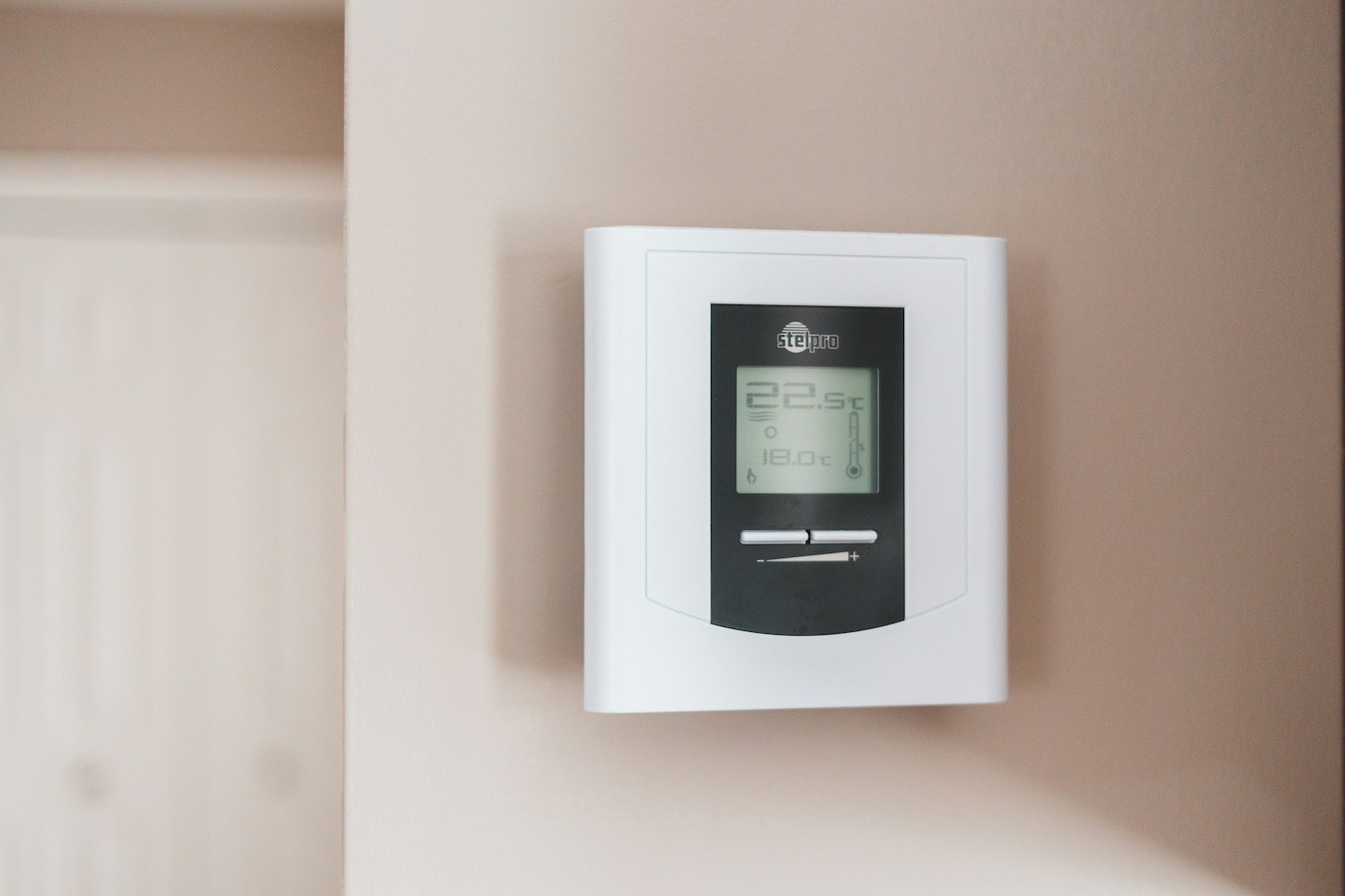
How Smart Technology Is Transforming Central Heating
Central heating hasn’t changed much in decades – a timer, a thermostat, and a boiler. Smart technology is shifting that fairly significantly, and for most households the difference is practical rather than just novelty.
Smart thermostats
The foundation of a smart heating system is the smart thermostat. Unlike a standard programmable timer, it connects to your boiler via Wi-Fi and can be controlled remotely through an app. Some models also learn your routine over time, adjusting schedules automatically rather than relying on fixed on/off times you’ve programmed in.
A room-by-room approach
Beyond the thermostat, smart thermostatic radiator valves (TRVs) allow individual radiators to be controlled independently. Instead of heating the whole house to satisfy one thermostat, you can keep bedrooms cooler during the day, avoid warming spare rooms, and focus heat where people actually are. This room-by-room approach tends to deliver more meaningful savings than a thermostat alone.
Geofencing
Geofencing automatically turns the heating down when you leave, using your phone’s location rather than a fixed schedule. For households with irregular routines – shift workers, parents with unpredictable pickup times – this alone removes a significant source of wasted energy.
Header
On savings, the Energy Saving Trust estimates that turning a room thermostat down by one degree saves around £90 a year in a typical home, and smart thermostats are generally quoted as saving roughly £75 to £150 annually when used properly – though the actual figure depends heavily on how the heating was managed before.
The technology works alongside most modern boilers and, increasingly, heat pumps. It’s worth speaking to a heating engineer about compatibility before purchasing, as some systems suit certain setups better than others.
Contact us to discuss your heating needs!