07860 635025
 Teal@TNAplumbingandheating.co.uk

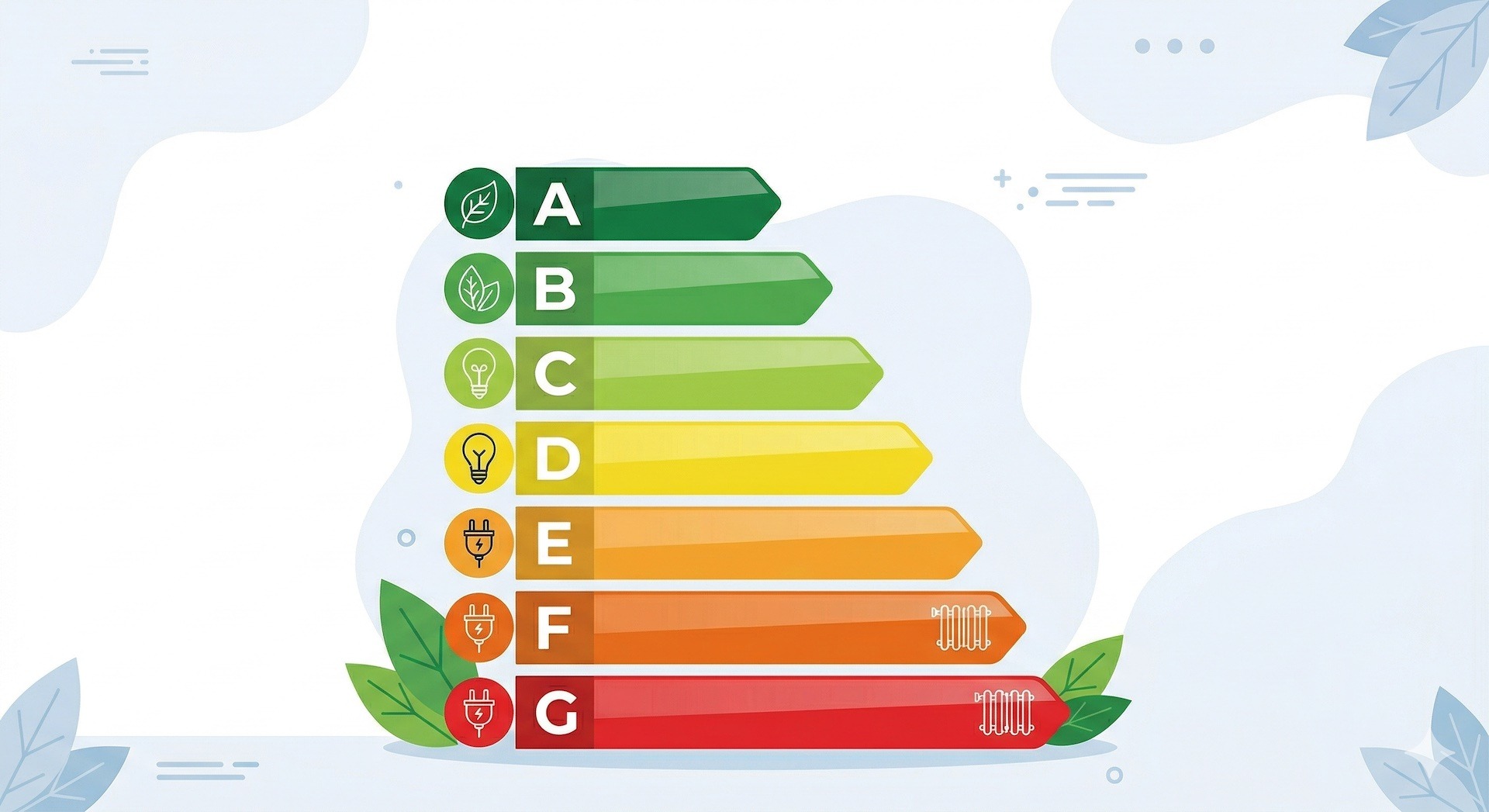
Improving EPC Scores with Modern Heating Systems
Energy Performance Certificate (EPC) ratings are influenced by how a property is heated. Older systems, such as non-condensing boilers or outdated electric heaters, tend to be less efficient and can negatively affect a property’s score. Upgrading to modern heating systems is one of the most effective ways to improve EPC scores.
Upgrading to Efficient Heating Systems
Modern condensing boilers are designed to use less fuel by capturing and reusing heat that would otherwise be lost. This makes them more efficient than older models and can contribute positively to an EPC rating. In addition, low-carbon options such as air source heat pumps are becoming more common. These systems operate by transferring heat rather than generating it directly, which can significantly reduce energy consumption when installed in suitable properties.
Improving Control and Energy Use
Heating controls are another important factor in EPC assessments. Systems that include programmable thermostats, smart controls, or zoning allow homeowners to manage heating more precisely. Instead of heating the entire property continuously, energy is used only where and when it is needed. This level of control helps reduce waste and supports a higher efficiency rating.
Supporting Overall Efficiency
While upgrading the heating system can make a clear difference, it is most effective when combined with proper insulation. A well-insulated property retains heat more effectively, allowing modern systems to operate at their full potential. Together, these improvements can lead to lower energy use, reduced running costs, and a stronger EPC score.
Contact us to discuss your heating needs!