 07860 635025
 Teal@TNAplumbingandheating.co.uk

PDHW ( Priority Direct Hot Water)
PDHW – Key Benefits & Negatives at a Glance
✅ Key Benefits of PDHW (Priority Domestic Hot Water)
- Improved boiler efficiency – keeps return temperatures lower, allowing the boiler to condense for longer
- Faster hot water recovery – high temperature prioritised flow to the cylinder means hot water is reheated quickly
- Stable indoor temperatures – Low heating temperatures for comfort
- Lower gas consumption – less wasted energy compared to traditional S & Y Plan systems
- Smaller cylinder/boiler options – High recovery cylinders reduce the need for a large cylinder
- Smaller Boiler options – Heating the water and heating separately means a smaller kw boiler can be used
- Better suited to modern controls – works correctly with weather and load compensation
⚠️ Potential Negatives of PDHW
- Higher design complexity – must be correctly designed and commissioned
- Not suitable for every property – smaller homes with low hot water demand may not benefit
- Requires correct components – coil size, boiler output and controls must be matched properly
- Poor installation negates benefits – incorrect setup can reduce efficiency gains
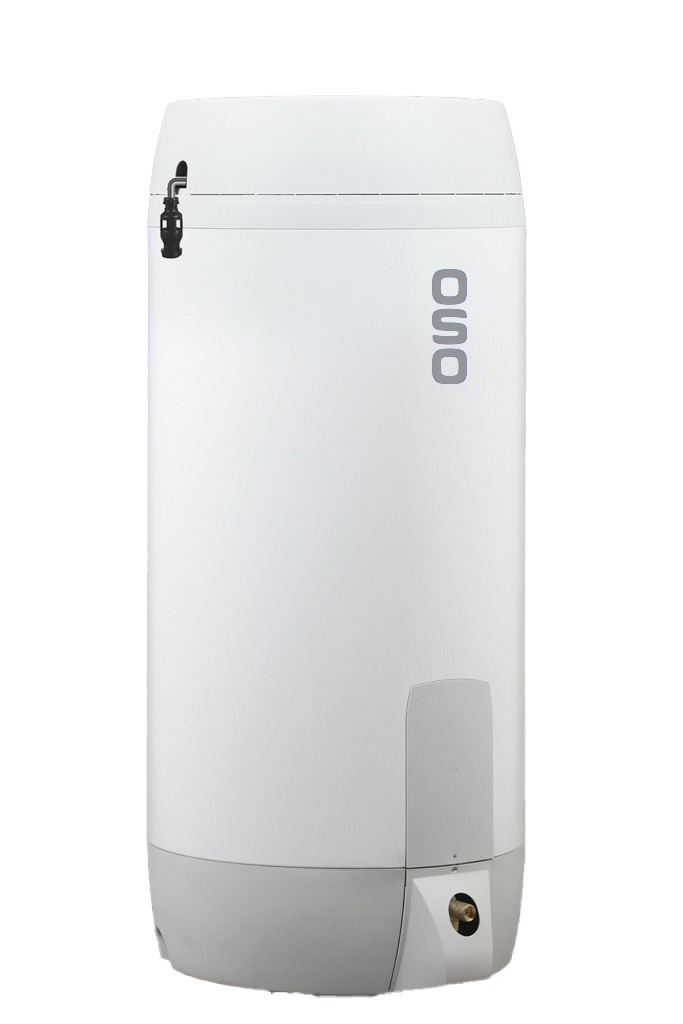
Our Cylinder of choice for PDHW
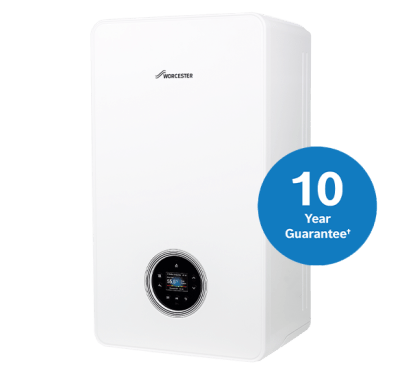
Our Boiler of choice for PDHW
Why Hot Water Priority (PDHW) Actually Matters
Hot Water Priority — now more commonly known as PDHW (Priority Domestic Hot Water) — isn’t a new idea. It’s been around since the late 20th century, appearing at roughly the same time as traditional S and Y Plan systems. Back then it was often referred to as W Plan, and the principle was simple: allow the hot water cylinder to reheat without also firing the space heating circuit when both called at the same time.
In the days of high-temperature, non-condensing boilers, hot water priority didn’t really offer much benefit. The only time it made sense was where a boiler was clearly undersized and couldn’t cope with heating and hot water demand together. Because of that, S and Y Plan systems became the norm, and for many years they were considered best practice.
2005 Changed Everything — But System Design Didn’t
In 2005, A-rated condensing gas boilers became mandatory. From that point on, boiler efficiency relied heavily on low return temperatures to allow the boiler to condense properly.
So here’s the question I keep coming back to:
Why weren’t S and Y Plan systems phased out at the same time on efficiency grounds?
Anyone who designs low-temperature heating systems knows this:
traditional S and Y Plan layouts stop condensing boilers from condensing when the hot water cylinder is reheating.
Allowing that design approach to continue has wasted millions of kilowatt-hours of gas over the past 15 years.
Why S & Y Plan Systems Hold Condensing Boilers Back
Condensing boilers only condense when the return temperature is below around 54°C. That’s a basic fact.
What often gets missed is that when the return temperature is around 50°C, a condensing boiler is only operating at about 89% efficiency — not the 93%+ figure shown on the ErP label.
If we design an S Plan system with radiators sized for 70°C flow and 50°C return, the system can just about manage that efficiency during space heating demand. But the moment hot water is called for, things start to fall apart.
What Actually Happens During Hot Water Recovery
Let’s assume a properly sized system:
- Space heating load: 8kW
- Hot water coil requirement: 3kW
- Boiler size: 11kW
On paper, that works.
In reality, most cylinders aren’t fitted with any way of accurately measuring flow rate. Even when a flow restrictor or gate valve is fitted (which often isn’t), there’s no reliable method of setting it correctly.
What usually happens is the system pump — sized for the heating circuit — forces water through the cylinder coil far too quickly. This pushes return temperatures back to the boiler well above 54°C, often only a few degrees cooler than the flow temperature.
That condition can last for hours during hot water recovery, completely preventing condensation and hammering efficiency.
Condensing boilers were introduced to condense — yet this setup actively stops them from doing so.
Modulation Controls Highlight the Problem Even More
Modern systems now use load and weather compensation, which I fully support. These controls allow boilers to run at much lower and more stable flow temperatures for space heating, improving comfort and efficiency.
But hot water recovery still needs higher temperatures, typically 70–75°C.
With an S or Y Plan system, that means dumping 75°C water into a heating circuit that may have been running perfectly at 40–45°C moments before. The result is:
- Room temperatures overshooting
- Unstable comfort
- Energy being dumped into the heating circuit unnecessarily
Yes, the controls may react and shut the heating down — but only after the energy has already been wasted.
Why PDHW Is the Correct Approach
This is where Priority Domestic Hot Water comes into its own.
PDHW allows me to design a system with:
- One flow temperature for space heating
- A separate, higher flow temperature for hot water recovery
- Full hot water priority without overheating the heating circuit
By combining PDHW with:
- Large surface-area cylinder coils
- Correct boiler range rating
- Lower overall system temperatures
I can keep the boiler condensing for longer, recover hot water much faster, and reduce overall gas consumption.
In fact, because modern high-output coils recover so quickly, I can often fit smaller cylinders, which reduces standing losses, material use, and embodied carbon.
wasting energy every time the hot water cylinder needs reheating.
When designing or upgrading a heating system, hot water performance is just as important as heating efficiency. One option you may hear your heating engineer recommend is PDHW – Priority Domestic Hot Water.
PDHW systems are commonly used in larger homes, high-demand properties, and commercial or multi-bathroom settings, but they can also be an excellent choice for certain domestic installations.
In this blog, we explain what PDHW is, how it works, and the key benefits of choosing a PDHW system.
What Is PDHW (Priority Domestic Hot Water)?
Priority Domestic Hot Water is a system where hot water is heated directly from the boiler via the primary heating circuit, rather than relying on stored hot water being reheated indirectly through a coil.
In a PDHW setup:
- Water is heated rapidly via the boiler
- Heat is transferred efficiently using a plate heat exchanger or direct primary circuit
- Hot water delivery is faster and more responsive than traditional indirect systems
PDHW is often paired with system boilers, heat-only boilers, or plant-room-style installations where high performance is required.
Key Benefits of PDHW Systems
1. Faster Hot Water Recovery 🚿
One of the biggest advantages of PDHW is rapid hot water recovery.
Because the water is heated directly from the boiler:
- Hot water is replenished much faster
- Less waiting time between uses
- Ideal for households with multiple bathrooms or high demand
This makes PDHW perfect for busy homes where several taps or showers may be used back-to-back.
2. Improved Hot Water Performance
PDHW systems provide:
- Stronger, more consistent hot water temperatures
- Reduced risk of temperature drop during high demand
- Better performance compared to traditional indirect cylinders
This is especially beneficial in properties where standard systems struggle to keep up.
3. Increased System Efficiency
Because PDHW heats water directly:
- Heat transfer losses are reduced
- Less energy is wasted reheating stored water
- The boiler operates more efficiently during hot water demand
When designed correctly, PDHW can contribute to lower running costs and improved overall system efficiency.
4. Reduced Risk of Legionella
With PDHW systems:
- Water is heated quickly and used immediately
- Less reliance on storing lukewarm water for long periods
- Reduced conditions where bacteria such as Legionella can grow
This makes PDHW a popular option in properties where water hygiene is a priority.
5. Ideal for High-Demand Properties
PDHW is commonly used in:
- Large family homes
- Properties with multiple bathrooms
- HMOs and rental properties
- Commercial or mixed-use buildings
If your household regularly runs out of hot water, PDHW may be the solution.
6. Flexible System Design
PDHW can be integrated with:
- Unvented hot water cylinders
- Thermal stores
- Buffer tanks
- Renewable technologies such as heat pumps or solar (when designed correctly)
This flexibility allows heating engineers to tailor the system precisely to the property’s needs.
Is PDHW Right for Your Home?
PDHW isn’t required for every property. Smaller homes with low hot water demand may be better suited to standard combi or indirect systems.
However, PDHW is often recommended if:
- You frequently run out of hot water
- You have multiple bathrooms
- You want faster recovery and better performance
- You are upgrading or redesigning your heating system
A professional assessment is essential to ensure the system is correctly sized and installed.
The Bottom Line
PDHW isn’t about over-engineering — it’s about designing systems that actually allow condensing boilers to work the way they were intended to.
You get:
- Efficient low-temperature heating
- Rapid hot water recovery
- Stable indoor comfort
- Lower running costs
And most importantly, you stop
Why Professional Design & Installation Matters
PDHW systems must be:
- Correctly sized
- Properly balanced
- Installed with suitable controls and safety devices
Poor design can lead to inefficiency or unnecessary costs. This is why it’s vital to use experienced heating engineers who understand system design, hydraulics, and real-world demand.
Speak to TNA Plumbing & Heating
At TNA Plumbing & Heating, we design and install high-performance heating and hot water systems tailored to your property. Whether you’re upgrading an existing system or planning a new installation, we’ll advise you honestly on whether PDHW is the right solution for your home. We carry about boiler installations in Doncaster, Barnsley, Sheffield, Rotherham, Wakefield, Scunthorpe and surrounding areas