07860 635025
 Teal@TNAplumbingandheating.co.uk

Spot Sludge Build-Up in Radiators Before It’s Too Late
Over time, radiators can accumulate a thick, muddy sludge – a mixture of rust, dirt, and mineral deposits that settle at the bottom of radiators and pipework. This build-up can restrict water flow, reduce efficiency, and put unnecessary strain on your boiler. Catching the signs of sludge build-up early can prevent costly repairs later.
Uneven Heating and Cold Spots
One of the first signs of sludge is radiators that feel cold at the bottom but warm at the top. This happens because the sludge blocks the flow of hot water, stopping it from circulating evenly. You might also notice certain radiators taking much longer to heat up than others, or parts of your home staying noticeably cooler.
Boiler Noise and Increased Bills
If your boiler has started making gurgling or banging sounds, sludge could be circulating through the system, forcing it to work harder. This extra strain means your heating system burns more energy to maintain the same level of warmth, which will likely show up on your energy bills.
Preventing and Treating Sludge Build-Up
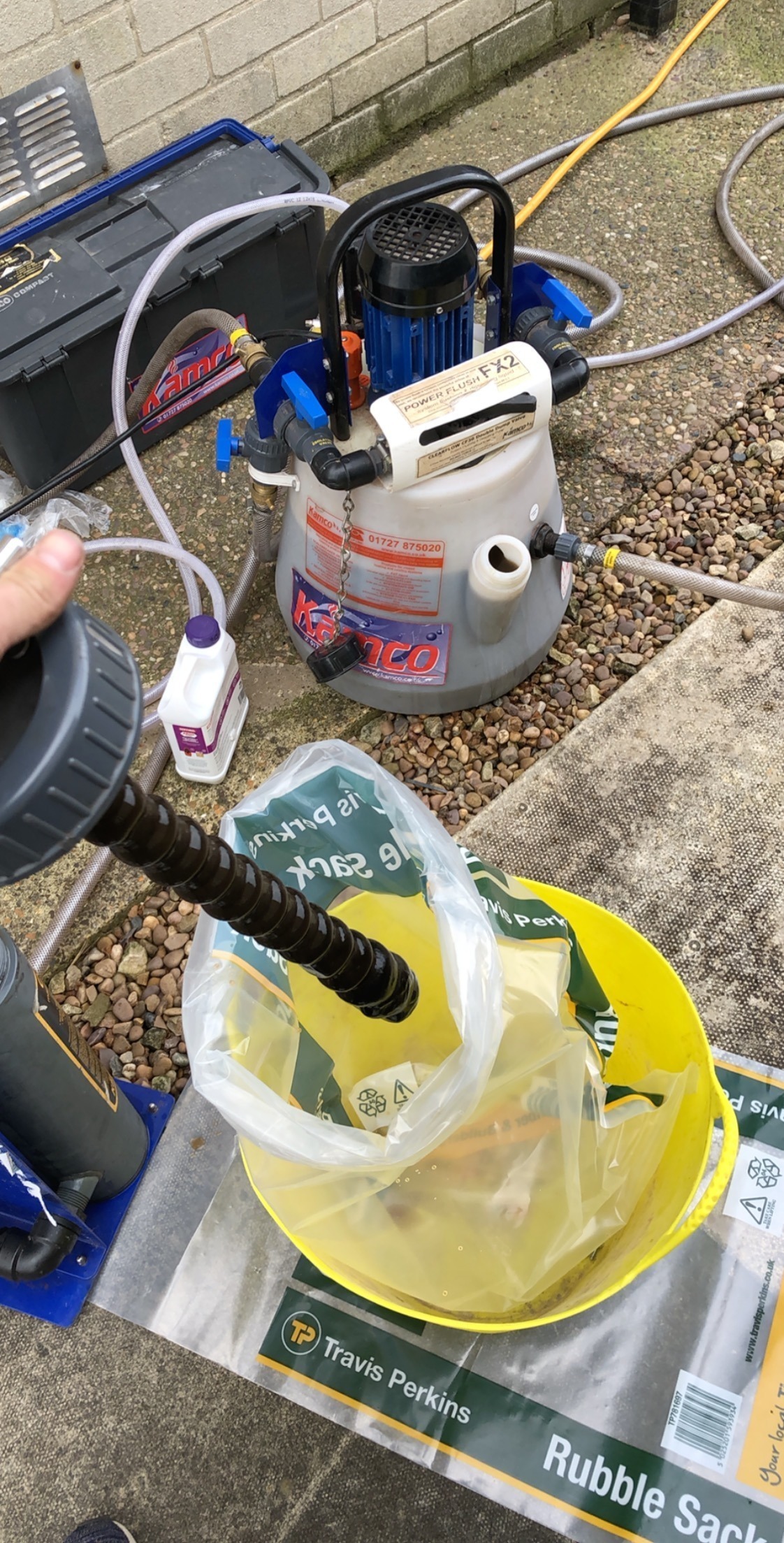
The best way to prevent sludge is through regular system maintenance. We offer powerflushing, which removes built-up debris and restores proper circulation. Adding inhibitor chemicals after cleaning also helps protect against corrosion and further build-up. Regular servicing and prompt attention to early warning signs can help your central heating run efficiently and extend the lifespan of both your radiators and boiler.
Contact us to discuss your heating and plumbing needs.