07860 635025
 Teal@TNAplumbingandheating.co.uk

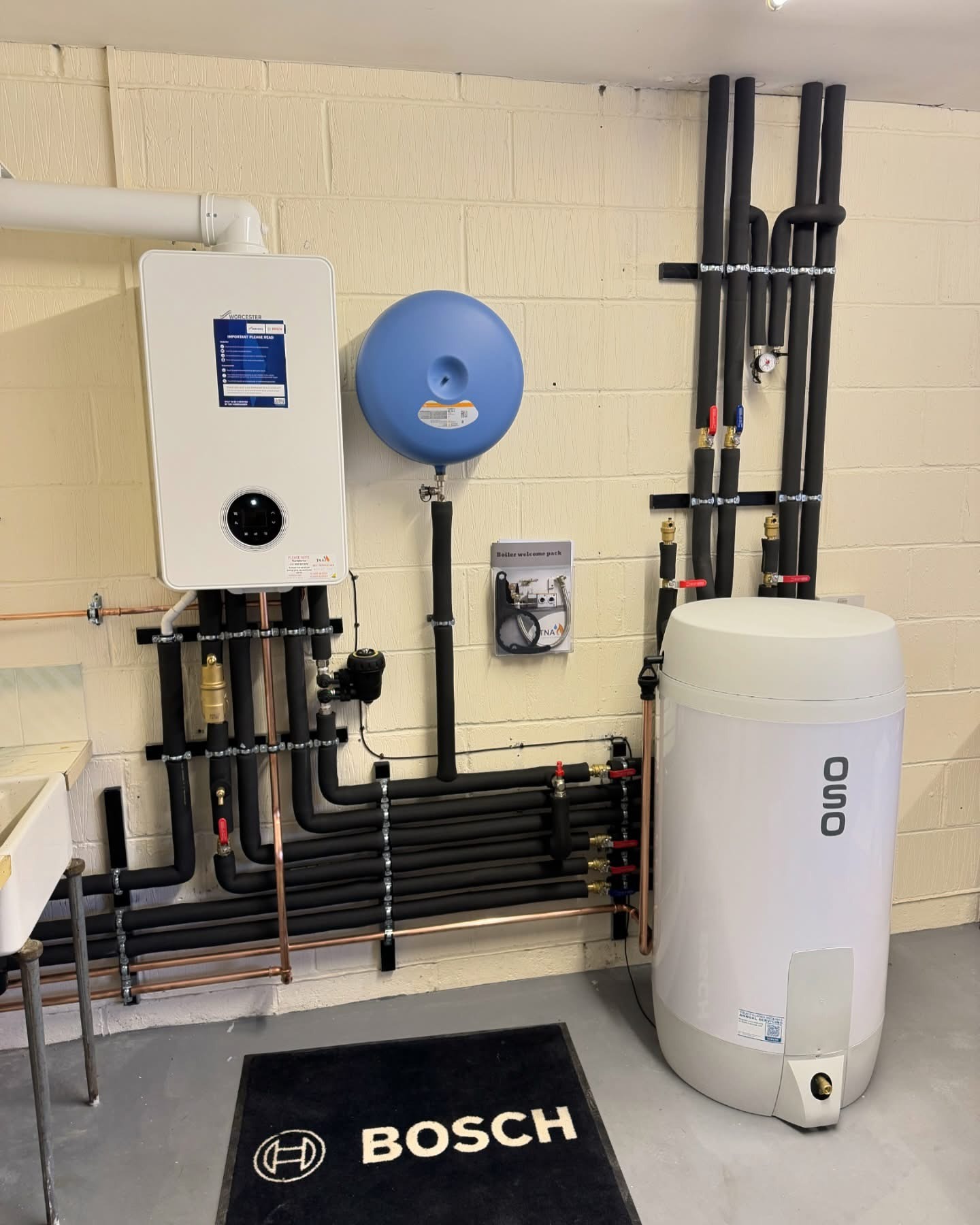
The Pros & Cons of Unvented Cylinders
Unvented cylinder boilers were revolutionary when they were invented. With old vented cylinders, they had to be installed into lofts or attic spaces, so that gravity aided in getting the hot water where it needed to be often meaning they gave low hot water pressure. Unvented cylinders meant they could be installed in a much smaller space and provided the pressure needed to create strong water flow anywhere around the house, so that multiple hot water outlets could be used simultaneously.


What are unvented cylinders?
Unvented cylinders are connected directly to the mains water, and use electricity or gas to heat the water for the heating and water systems in your home. The incoming cold water supply is what feeds your unvented cylinder giving it its high pressure which using a combination valve is reduced to 3 bar. Often from the combination valve a balanced cold feed is taken to outlets such as showers so that it has an equal hot and cold water pressure supplying it.
However, hot water expands and therefore because it is a sealed system unlike a vented system which has a vent pipe, an unvented cylinder has to have a potable expansion tank located after the combination valve to take any expansion from the water being Heated. Some cylinders are designed with an internal air bubble, which acts in the same way as an expansion vessel. In the case of the expansion vessel failing, the combination valve comes fitted with a pressure relief valve which will open and relieve pressure should it need to. These systems need yearly maintenance by a G3 qualified engineer, and must be kept in good working order.
Pros & cons
The pros are; high water pressure which is easily able to run multiple hot water outlets at once should the incoming pressure allow it.
Reduced space required compared to a vented system
The cons are that unvented cylinders need a more specialised installer, regular maintenance and the initial cost is usually more than a vented system or combination boiler.
Consult your heating engineer for advice
Depending on the kind of home you own, the space available and the number of bathrooms and family members you have, there could be many options of water heater that would suit. It’s best to consult your heating engineer for advice, as we are aware of constraints and new technologies.
Get in touch today to discuss which system is right for you.

4
Unvented hot water cylinders have become increasingly popular in modern homes across the UK, particularly where high water pressure and multiple bathrooms are required. But while they offer excellent performance and convenience, they’re not always the right solution for every property.
In this guide, we’ll explain what an unvented cylinder is, the key advantages and disadvantages, and how to decide if one is right for your home.
What Is an Unvented Hot Water Cylinder?
An unvented hot water cylinder stores domestic hot water at mains pressure, delivering powerful, balanced flow to taps and showers without relying on a cold water storage tank in the loft.
Unlike traditional vented systems, unvented cylinders are sealed systems that include built-in safety controls such as pressure relief valves and expansion vessels. Because of this, they must be installed by a qualified, G3-certified engineer.
Advantages of Unvented Hot Water Cylinders
1. High Water Pressure at Every Outlet
Because they operate directly from the mains supply, unvented cylinders provide strong, consistent pressure to all taps and showers – ideal for homes with:
- Multiple bathrooms
- Rainfall or power showers
- High hot water demand
No more weak upstairs showers when someone turns on a tap downstairs.
2. Balanced Hot and Cold Water Supply
Hot and cold water are supplied at similar pressure, making temperature control far more stable and improving the performance of modern mixer taps and thermostatic showers.
3. No Cold Water Storage Tank Required
Unvented systems remove the need for a loft tank, which:
- Frees up valuable roof space
- Reduces the risk of contamination
- Eliminates freezing or overflow issues
This makes them perfect for new builds, loft conversions, and renovations.
4. Excellent for Modern, Energy-Efficient Systems
Unvented cylinders work exceptionally well with:
- Condensing system boilers
- Heat pumps
- Solar thermal systems
When correctly sized and designed, they offer fast recovery times and efficient hot water delivery.
5. Multiple Taps at Once Without Pressure Drop
You can run several showers and taps simultaneously without noticeable loss of performance – a huge advantage for busy households.
Disadvantages of Unvented Hot Water Cylinders
1. Higher Installation Cost
Unvented systems typically cost more than vented alternatives due to:
- Additional safety components
- More complex pipework
- Certification and commissioning requirements
However, this cost is often justified by performance and long-term convenience.
2. Installation Must Be Carried Out by a G3-Qualified Engineer
By law, unvented cylinders must be installed by a competent person trained to G3 Building Regulations. Incorrect installation can be dangerous, which is why professional design and fitting is essential.
3. Dependent on Mains Water Pressure
If your incoming mains supply is poor, an unvented cylinder may not perform as expected. In some cases, upgrades such as:
- Larger incoming mains
- Accumulator tanks
may be required before installation.
4. Maintenance Is Critical
Unvented cylinders include safety valves and expansion components that must be serviced annually to ensure safe operation and maintain manufacturer warranties.
5. Higher Pressure Can Stress Old Pipework
In older properties, higher operating pressures may expose weaknesses in existing plumbing. A full system assessment is always recommended before installation.
Is an Unvented Cylinder Right for Your Home?
An unvented cylinder is usually the right choice if you:
- Have good mains water pressure
- Want powerful showers without pumps
- Have multiple bathrooms
- Are upgrading or redesigning your heating system
It may not be suitable if:
- Your mains supply is limited
- You’re working with very old pipework
- Budget constraints outweigh performance benefits
Professional System Design Matters
Correct sizing, pipework design, and safety integration are crucial. At TNA Plumbing & Heating, we design unvented systems properly — not just to work, but to work efficiently, safely, and reliably for years to come.
We regularly install premium unvented cylinders from trusted manufacturers such as OSO Hotwater and Gledhill, ensuring long warranties and proven reliability.
Summary: Pros and Cons at a Glance
✅ Advantages
- High-pressure hot water
- Multiple outlets at once
- No loft tank required
- Ideal for modern homes
- Excellent shower performance
⚠️ Disadvantages
- Higher upfront cost
- G3 installation required
- Dependent on mains pressure
- Annual servicing needed
Thinking About an Unvented Cylinder Upgrade?
If you’re considering an unvented hot water cylinder and want expert advice on sizing, suitability, and system design, speak to our team today.
We’ll assess your property properly and design a system that delivers performance, efficiency, and long-term reliability — without cutting corners.
🔧 Get in touch with TNA Plumbing & Heating today for professional unvented cylinder installation and advice.