07860 635025
 Teal@TNAplumbingandheating.co.uk


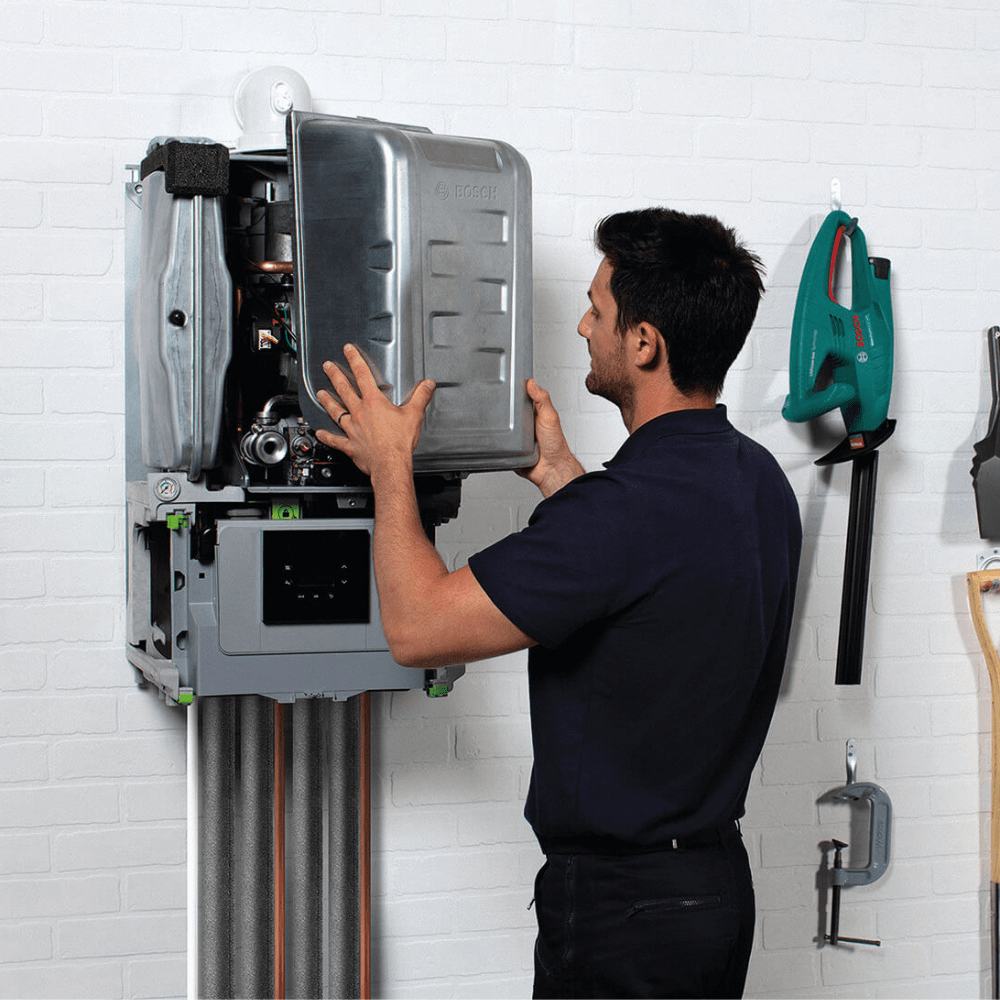
The Science Behind Condensing Boilers
Modern gas boilers sold in the UK are generally condensing boilers, designed to recover more useful heat from the combustion process than older non-condensing appliances. The key difference is what happens to the hot gases produced when gas is burned. Instead of allowing as much heat to escape through the flue, a condensing boiler captures some of that energy and uses it to heat the system water. Here’s the science…
Recovering Heat from Flue Gases
Burning natural gas produces water vapour as well as carbon dioxide and other combustion products. In a condensing boiler, the flue gases are cooled sufficiently for some of this water vapour to condense into liquid water.
As the vapour changes back into liquid, it releases latent heat. A heat exchanger transfers this additional heat into the heating system, reducing the amount of energy that needs to be supplied by burning more gas.
Why Return Temperature Matters
Condensing technology works most effectively when the water returning to the boiler is cool enough for condensation to occur. This is why heating system design and flow temperatures matter. Radiator sizing, weather compensation and other heating controls can help maintain suitable operating conditions.
A boiler may still provide heating when return temperatures are higher, but it will not recover as much latent heat through condensation.
What Happens to the Condensate?
The water produced during condensation is collected inside the boiler and discharged through a condensate pipe. UK installations need to follow the relevant requirements for condensate disposal and protection against freezing.
Choosing a correctly sized modern condensing boiler and ensuring the heating system is properly designed and controlled can help the appliance operate efficiently and make better use of the fuel it consumes.
Contact us to discuss your heating and plumbing needs!